Trusted Brampton Cleaning Team
Your operation needs regular sanitation protocols customized for unique hazards, daily throughput, allergen management, and regulatory visits, including auditable records validating food safety measures, compliance audits, and health department standards. The details below provide details about essential cleaning protocols.
Important Highlights
- Brampton's food safety cleaning professionals provide services to restaurants, grocery departments, commissaries, warehouses, bakeries, schools, mobile vendors, and allergen-sensitive operations.
- High-touch surfaces, food-contact equipment, kitchens, floors, drains, restrooms, and storage areas are treated using zone-based workflows to reduce cross-contamination.
- Trained specialists validate proper chemical concentration, alignment, and contact time, then file completion with swabs, audits, and remedial documentation.
- Hazard, throughput, transitions, releases, and requirements ought to inform hygiene plans, with routine, periodic, and annual operations allocated by area.
- Insurance, color-coded tools, HACCP, public-health knowledge, WHMIS education, testimonials, and compliance-ready hygiene documentation are critical contractor characteristics.
Which Brampton Venues Need Food Safety Cleaning?
Any Brampton facility that manages, stores, prepares, packages, or serves food needs sanitation protocols. You must follow it if your business falls under health inspection, premises standards, or HACCP protocols. That requirement covers eateries, dining facilities, food distribution centers, supermarket departments, meat markets, fish counters, corner stores, and commercial kitchens.
Proper hygiene protocols is necessary in distribution centers, manufacturing facilities, cold storage areas, bakery retailers, educational meal programs, banquet venues, and meal delivery services. Temporary mobile establishments are included, like food trucks, event sellers, and temporary stalls. Your establishment needs recorded sanitation procedures whenever your staff work with ingredients, section ready-to-serve foods, heat finished items, or maintain allergen storage. In Brampton, food safety is not voluntary; it constitutes legal, operational, and consumer protection compliance.
What Do Brampton Cleaning Professionals Handle?
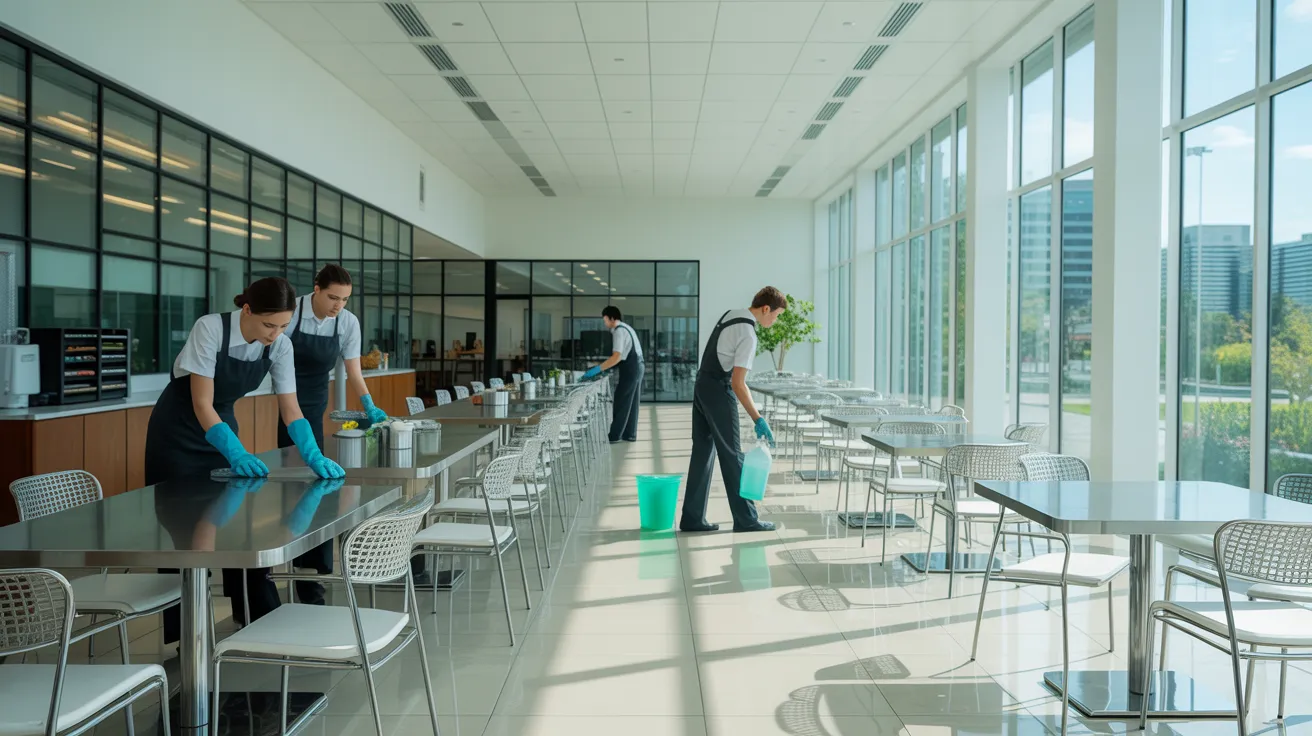
Your facility requires professional cleaners who disinfect frequently contacted surfaces, cooking and food prep areas, floors, and restrooms for food safety and health code adherence. These specific areas are emphasized due to their elevated cross-contamination potential, trip and slip dangers, and violations of hygiene standards.
By understanding their service scope, you can make sure your operation's sanitation protocols meet compliance standards.
Key High-Touch Surface Sanitizing
establish a cleaning protocol
replacing cleaning materials appropriately, following sequential processes, and segregating cleaning supplies according to zone. These measures keep your cleaning protocol verifiable, well-documented, and ready for inspection at all times.
Kitchens, Floors, and Restrooms
Brampton cleaning professionals will address kitchens, floors, and restrooms since each space presents different food safety concerns, slip-and-fall, and public health challenges. In industrial kitchens, you need degreasing on cook lines, equipment exteriors, drains, prep surfaces, and splash zones to reduce contamination and pest pressure.
Floor care that is recorded should equally be anticipated. Technicians clean and remove buildup from tile grout, ceramic surfaces, and vinyl floors, then apply correct drying techniques so you can limit falls and maintain code-compliant conditions. They also address entryways where moisture and debris migrate indoors.
For restroom sanitation, cleaners disinfect touchpoints, fixtures, partitions, dispensers, and waste containers, then restock supplies and control odours. They also maintain restaurant cleaning supply rooms where product storage, sink cleanliness, and drain systems impact daily sanitation standards and worker protection.
Why Food Safety Cleaning Matters in Brampton
In Brampton, you must copyright sanitary cleaning practices to satisfy health code requirements and pass inspections. You also reduce bacterial spread through proper cleaning of food-preparation surfaces, appliances, and frequently-touched items. Most importantly, you safeguard public health by lowering the risk of foodborne illness in your facility.
Health Code Compliance
Since Brampton food establishments must follow rigorous sanitary regulations, your food safety cleaning directly determines your ability to meet health codes, safeguard diners, and avoid regulatory penalties. You must maintain hygienic food handling zones, written maintenance records, correct sanitizer application, and auditable operational standards that correspond to municipal and provincial inspection expectations.
Comprehensive sanitation documentation aid you in showing due diligence during compliance reviews and confirming your practices follow consistent patterns that are reproducible and monitored.
Contamination Prevention
Meeting regulatory requirements also depends on your capacity to stop cross-contamination during routine food preparation and sanitation. You must separate raw ingredients from ready-to-eat foods, sanitize prep surfaces between tasks, and keep cleaning products separate from food areas. Established guidelines minimize contamination chances and support consistent compliance during inspections.
Implementing allergen segregation helps ensure major allergens don't touch shared surfaces, containers, or equipment. Deploy dedicated cutting boards, color-coded tools, and strict utensil labeling so workers don't combine products while preparing or distributing. Enforce hand hygiene following fresh proteins, aquatic items, egg products, or allergen materials. Replace wiping cloths regularly, and verify sanitizer strength with test strips. When your team learns these guidelines every shift, you establish a more hygienic, safer workplace that meets Brampton's food safety expectations daily.
Public Health Safeguarding
When sanitation protocols fails, you don't just face inspection failure—you increase the chance of foodborne illness affecting customers, staff, and the wider Brampton community. You also undermine your responsibility in protecting public health, especially in busy food facilities where pathogens travel quickly through surfaces, equipment, and touchpoints.
You need cleaning protocols that remove contaminants, disinfect appropriately, and validate outcomes. This involves maintaining exposure durations, using authorized sanitizers, logging schedules, and coaching employees to meet regulatory requirements. These controls promote pathogen control by minimizing pathogens before contaminating food or hands. Throughout Brampton, effective sanitation protects vulnerable communities, reduces outbreak risk, and demonstrates accountability. When you follow proper protocols, you exceed regulations—you lower hazards and enable safer food service region-wide.
Why Is Cleaning Essential for Food Safety Compliance?
Following strict sanitation practices improves food safety compliance by minimizing contamination hazards, controlling pathogen growth, and positioning your facility in accordance with sanitation requirements under HACCP-based programs and public health regulations. You validate that food-handling surfaces appear visibly clean and microbiologically controlled, backing documented preventive controls and inspection readiness.
Effective cleaning also improves allergen mitigation by eliminating residues that can provoke undeclared allergen exposure. by clearing residues that can provoke undeclared allergen exposure.
Determining When to Arrange Commercial Cleaning
food-contact areas, bathrooms, and high-contact areas
Occasional tasks need to be scheduled separately
Finding Quality Brampton Cleaning Experts: A Guide
Screen providers initially by their food hygiene standards—not budget alone. You need to confirm that every company meets CFIA, public health, and HACCP standards for your operation. Demand proof of insurance, WHMIS compliance, training records, and management systems. Evaluate technician understanding of contamination dangers, chemical safety, and documented sanitation practices.
You should further examine operational reliability and answerability. Request testimonials from Brampton food businesses, then review response times, corrective-action procedures, and communication standards. Validate the company supports supplier audits and can supply compliance documentation to regulators or external parties. Confirm equipment is maintained, color-coded implements are applied correctly, and site-specific hazards are identified. A experienced service protects compliance, product quality, and your reputation in the market.
What does a cleaning and sanitation plan encompass?
Establish a documented plan that establishes every sanitation duty, standard, and accountability before production begins. You should specify cleaning frequencies, approved chemicals, dilution rates, contact times, tools, and verification methods for each sector, surface, and equipment. Make sure to include pre-operational inspections, corrective actions, and employee training requirements.
Your program should also address contamination prevention, garbage management, pest control procedures, and recorded timelines for bathrooms, drainage systems, surfaces, and food-preparation zones. Explain how you'll keep raw and prepared foods apart, support ingredient tracking, and ensure accurate allergen labeling through validated cleaning between product changes. You should assign accountability, keep signed records, and review results against regulatory standards, HACCP controls, and customer requirements. When gaps appear, update procedures immediately and re-educate staff.
Frequently Asked Questions
Do sanitation providers work during nighttime hours at Brampton facilities?
Yes, you can book cleaning services to manage overnight shifts in Brampton facilities. You'll organize overnight sanitation around operational windows, security measures, and staffing requirements. Providers typically establish nightshift procedures to reduce disruption, maintain standards, and document completed tasks. You should verify response times, management, access protocols, and waste handling before beginning service. If you operate controlled environments, you'll also need documentation that support inspections and compliance verification.
Will Brampton cleaning experts address hazardous incidents?
Yes, you can discover many Brampton sanitation experts providing spill response services. They manage contamination, evaluate risks, isolate contamination, and initiate rapid cleanup to reduce risk and prevent business disruption. You should verify response rates, certifications, PPE measures, and waste procedures. If your facility must meet compliance standards, pick a provider that documents events, follows procedures, and ensures audit compliance.
Are plant-based disinfectants safe for food-contact surfaces?
Yes, natural disinfectants can be appropriate for surfaces contacting food if you choose solutions certified for food use and complying with regulations. You should verify application timing, mixing proportions, and rinsing needs before implementation. Many natural-based solutions minimize harsh chemical exposure, but you still need evidence of effectiveness against harmful bacteria. helpful information To keep surfaces residue-free, you must adhere to precise manufacturer instructions and ensure the disinfecting agent meets applicable food industry sanitation standards.
Will cleaning plans adapt to seasonal shifts?
Yes, you can modify maintenance plans for production fluctuations. You should revise schedules, staffing, cleaning agents, and testing procedures to fit seasonal patterns while upholding compliance standards. You'll minimize operational delays by timing cleaning around line changes, high demand periods, and usage patterns. You should additionally update standard operating procedures, staff education, and environmental monitoring to address temporary risks, novel allergens, or higher contamination levels. Continuous reviews ensure your schedule effective.
Are commercial cleaners providing staff training on sanitation best practices?
Indeed, commercial cleaning providers often offer employee coaching on proper hygiene. Your team receives instruction on proper chemical use, contact times, cross-contamination prevention, equipment breakdown, and record-keeping. They generally adhere to instruction with HACCP, GMP, and CFIA or local public health requirements. Many also execute sanitation audits to confirm standards, reveal issues, and reinforce corrective actions. This assists you to establish reliable processes, pass inspections, and reduce food safety risks on a daily basis.
Closing Remarks
By partnering with Brampton food safety and commercial cleaning experts, you aren't simply tidying—you maintain your facility compliance-focused and your standards up to code. From kitchens to processing floors, every clean surface and maintained corner decreases contamination and avoids expensive losses. By scheduling cleanings at appropriate intervals and adhering to a systematic cleaning protocol, you secure staff members, customers, and your standing. In a strictly regulated industry, hygienic conditions must be prioritized—they're essential to successful operations.